
 my store
A series of educational pet nutrition blogs written by pet experts, just for pet parents.
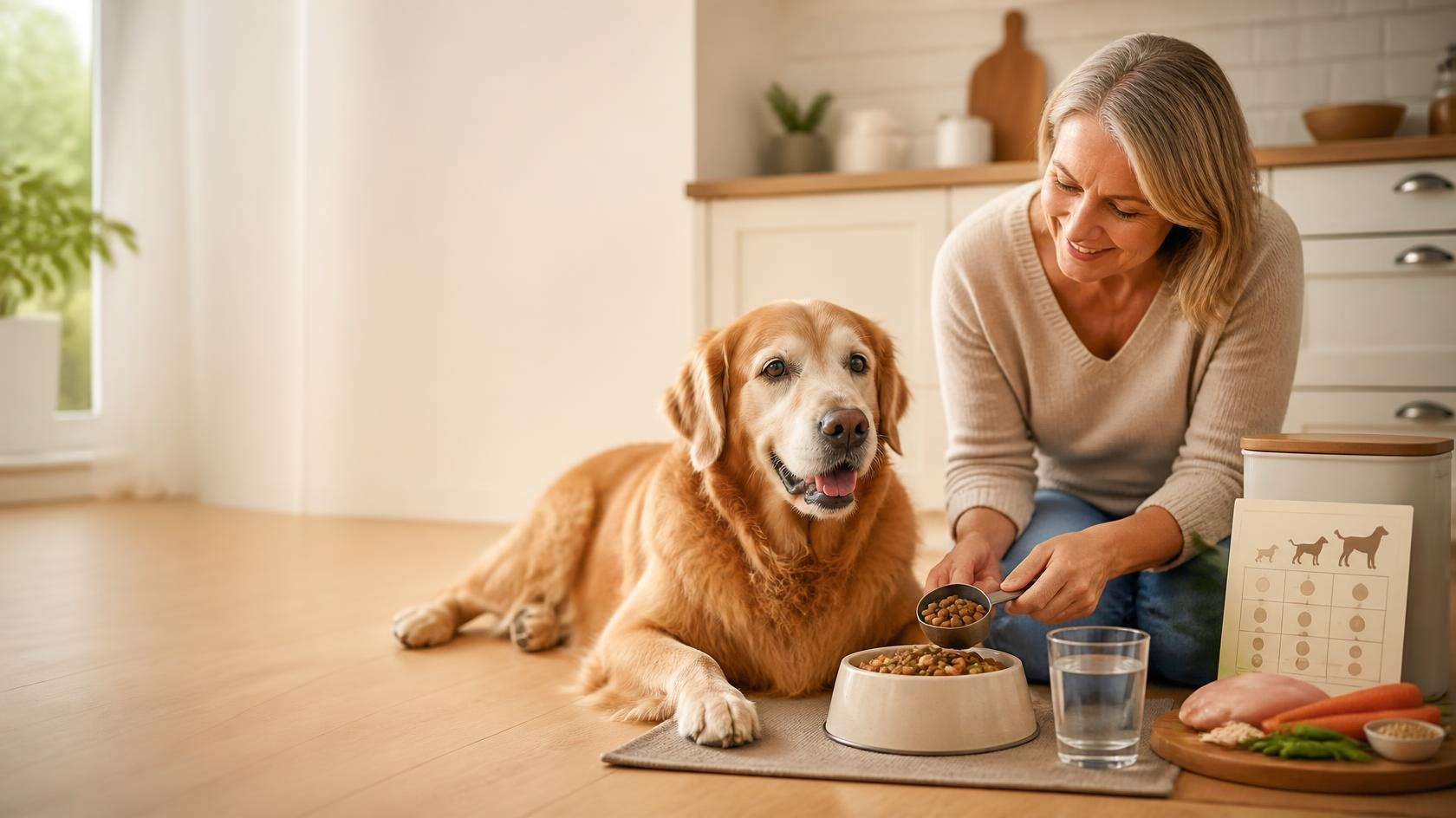
Best Dog Food Choices for Aging Dogs with Special Needs
Watching your pup grow older is a journey filled with sweet moments. That playful puppy who once zoomed through your home might now choose a cozy nap or a stroll by your side. As our dogs age, their needs shift, and one of the most important ways we can care for them is by paying extra attention to what goes into their bowl.
Choosing the right diet is one of the best ways to support your senior dog’s changing needs and keep mealtimes something they look forward to. With a little guidance from your veterinarian and some thoughtful choices, you can help your furry friend stay comfortable, nourished, and ready for many more happy days together.
Look for Nutrition Made for Senior Dogs
As our dogs slow down, their nutritional needs can shift, too. With less energy spent on zoomies and more time spent relaxing, it becomes even more important to help them maintain a healthy body condition.
When choosing dog food for a senior pet, look for a complete and balanced formula appropriate for their life stage. The right choice should provide quality protein and essential nutrients while offering calories suited to your dog’s activity level.
Your veterinarian is a great partner in determining which nutritional profile will work best for your unique dog.
Pay Attention to Protein Quality
Protein is important for dogs at every age, but for seniors, the right amount of high-quality protein helps keep their muscles strong as they grow older.
Instead of just checking the protein percentage on the label, think about the overall quality of the food. Your vet can guide you in planning a diet that fits your dog’s age, size, activity level, and any special health needs.
Consider Weight and Activity Changes
Senior dogs usually slow down a bit compared to their younger days. Those extra naps are adorable, but with fewer adventures, your pup may not need as many calories as before.
Keep an eye on your dog’s body condition so you can spot when it’s time to adjust their meals. Portion control matters just as much as choosing healthy ingredients. If you notice your pup gaining or losing weight unexpectedly, check in with your veterinarian before making big changes.
Make Mealtimes Comfortable
Some older dogs might find it harder to chew crunchy foods or may not be as excited about mealtime if eating becomes uncomfortable. In these cases, the texture of their food can make a big difference.
Wet food, softer options, or a mix of both can make meals easier and more appealing for some senior pups. Just remember to introduce any new foods gradually, so your dog has time to adjust.
If your dog seems uncomfortable chewing or suddenly loses interest in food, it’s a good idea to schedule a checkup with your veterinarian.
Consider Your Dog’s Special Needs
Every senior dog is unique. Some may have food sensitivities, while others might need a special diet because of a health condition.
This is where personalized advice really matters. Your veterinarian can guide you through changes in your dog's needs, dietary adjustments, and finding the right ingredients or formulas. Try not to choose a restricted diet just because it sounds healthier. Your pup’s real needs should always guide your choices.
Keep Hydration in Mind
Water is just as important for senior dogs as it is for puppies. Make sure your older pup always has access to fresh, clean water throughout the day.
Some dogs naturally drink depending on their food, activity, and environment. If you notice your dog drinking much more or less than usual, let your veterinarian know so you can catch any issues early.
Choose Food They Enjoy
Nutrition is important, but so is making sure your senior pup enjoys their meals. When mealtime is something they look forward to, they’re more likely to keep a healthy routine.
When selecting dog food, consider your pup’s preferences alongside their nutritional needs. If they prefer a particular texture or flavor, finding an appropriate formula they enjoy can make everyday feeding much easier.
Introduce new foods gradually to see how your dog responds. Their appetite, digestion, energy, and body condition can all give you helpful clues about how well a new diet is working.
Support Your Senior Pup Every Day
Caring for an aging dog means noticing the little things that make a big difference. A balanced diet, the right portions, fresh water, gentle exercise, and regular checkups all help support your senior pup’s changing needs. Most importantly, remember that every older dog is unique, and what works for one may not be perfect for another.
If you’re searching for nutritious options for your aging companion, Treats Unleashed has a selection of foods and treats chosen with senior pups in mind. With a little patience, lots of love, and the right nutrition, you can help your pup enjoy food with comfort, happiness, and plenty of tail wags.